
A new drug in the pipeline may bring fresh hope for people with celiac disease, a serious autoimmune disorder where exposure to gluten causes immune attacks that harm the small intestine. Preliminary findings from the drug’s development program show the medication could lessen intestinal damage and GI symptoms related to gluten intake.
First Tracks Biotherapeutics is developing the drug, which is known as ANB033. Clinical trial results announced in October 2026 indicated that the therapy helped prevent celiac intestinal damage in a small study of 32 adults. The study also found fewer symptoms in patients who received the drug than in those who received a placebo.
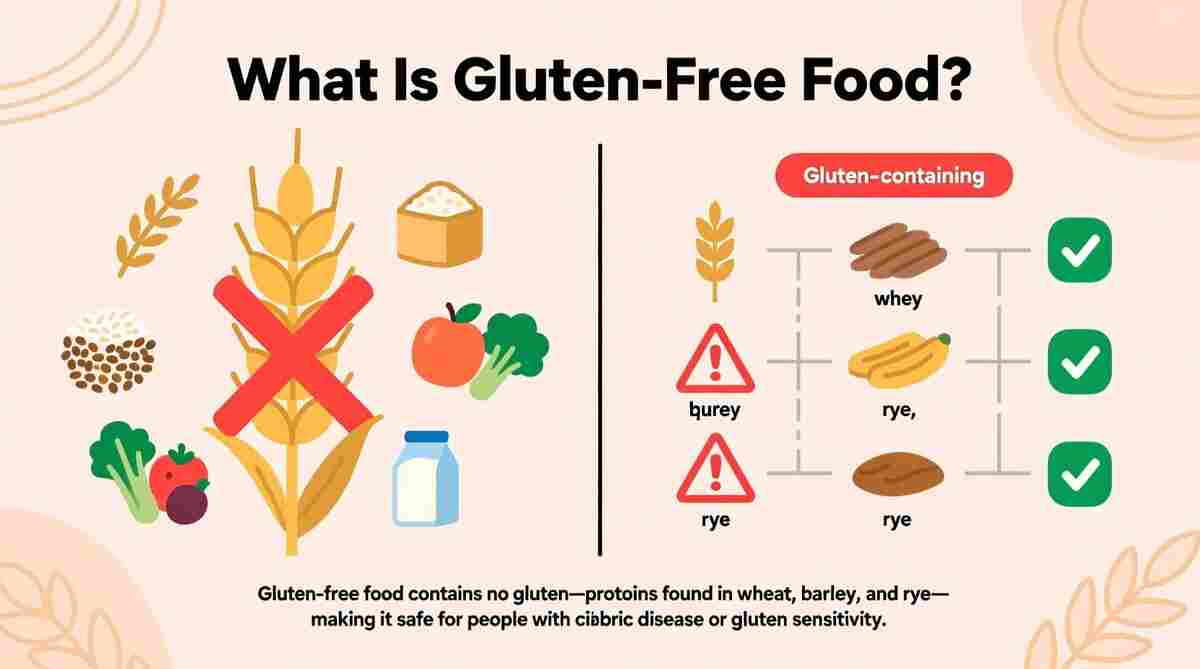
What is celiac disease? When a person’s immune system sees gluten in wheat, barley, and rye as a threat and responds to it, celiac disease can result. The condition may injure the tiny, finger-shaped villi that line the small intestine to absorb nutrients.
Soon, this often means abdominal pain bloating diarrhoea, exhaustion, and nutritional deficiencies. Symptoms or injury to the intestine may persist in certain individuals no matter how diligently they follow a gluten-free diet. These individuals also might have accidental exposures to minor levels of gluten.
ANB033 will target CD122, a molecule that has a role in signalling by two other protein molecules, interleukin-15, and interleukin-2. These are natural immune system molecules involved in driving immune activity seen in people with celiac disease. The goal of ANB033 is to inhibit the signalling of interleukin-15 and interleukin-2 by the CD122 pathway.
Participants in the pilot study were adults with established celiac disease, diagnosed at least one year prior. Despite a strict gluten-free diet, they had some degree of intestinal damage on biopsies.
Subjects were given three doses of either ANB033 or placebo at start of study, week 2 and week 4. In addition, each subject underwent a gluten challenge, with all subjects consuming a dose of six grams of gluten per day over a two week period roughly equal to two slices of bread.
By the end of the challenge, intestinal biopsies revealed that the extent of damage was Really reduced in participants who were administered ANB033 compared to those on the placebo. The research team observed that the drug blocked the rise in symptoms over the challenge period.
6% of participants on ANB033 were prescribed permitted medication to alleviate GI symptoms compared to 47% on placebo.
Keeping gluten out of the diet is a full-time effort for those with celiac disease. Special care must be taken in selecting what foods are eaten, how the food is prepared, and how cross contamination is avoided.
Having a treatment that diminishes this response may in time be useful in alleviating both quality of life, and the chance of continued damage to the bowel. It may even allow researchers to investigate if certain immune pathways may be more responsible for symptoms and tissue damage.
But, ANB033 is not proven to be a cure and the initial results do not show that the patients can eat gluten freely. The challenge was clinical trial only and people must not try it themselves.


